What Makes a Property “Historic”?
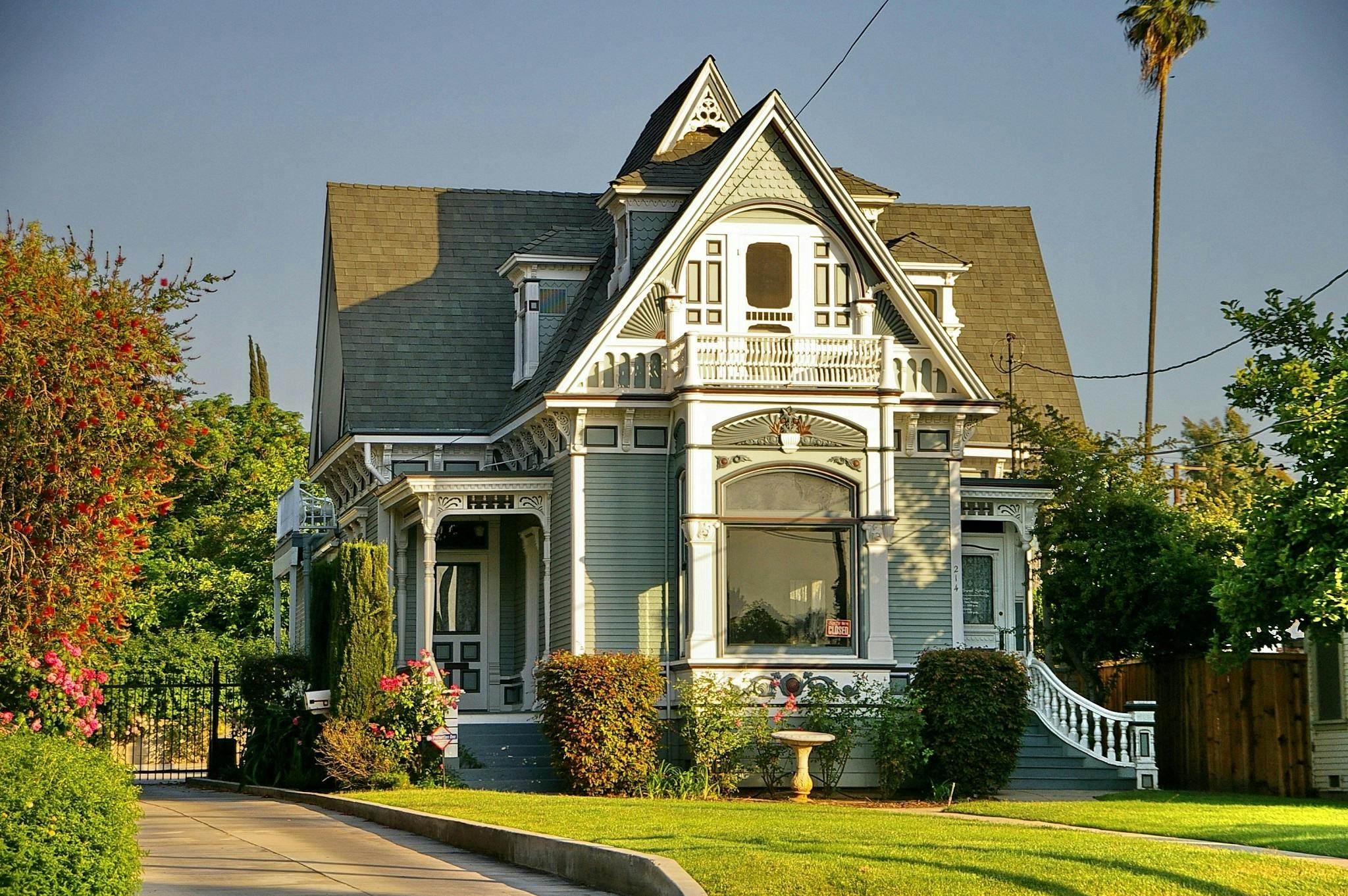
A property is generally considered historic if it is at least 50 years old and has significance due to its architecture, past ownership, or contribution to a community’s culture. Some are listed on the National Register of Historic Places, while others are located in designated historic districts.
The Unique Appeal of Historic Homes
There is something special about walking into a home with century-old floors, intricate moldings, and handcrafted details. These homes are often located in walkable, tree-lined neighborhoods with strong community identities. For many buyers, owning a historic home is about stewardship and preserving something beautiful and rare for the next generation.
Potential Costs and Renovation Realities
Historic homes can require more maintenance and care than newer ones. Updates to electrical systems, plumbing, and insulation may be necessary. In some cases, repairs must be made with historically appropriate materials, which can increase costs and timelines. Before purchasing, always hire a home inspector who specializes in older homes. They can identify issues that a typical inspection might miss, such as knob-and-tube wiring, outdated sewer connections, or foundation settlement.
Rules, Guidelines, and What You Can Change
If the property is in a historic district or has landmark status, there may be restrictions on what you can change about the home’s exterior or even the interior. These rules are designed to maintain the architectural integrity of the property and surrounding neighborhood. Before you make an offer, check with the local preservation office to understand what is allowed and whether you’ll need special approvals for future renovations.
Insurance, Financing, and Financial Incentives
You may need a specialized insurance policy to cover the true replacement cost of historic features, which can increase premiums. When it comes to financing, programs like the FHA 203(k) loan or Fannie Mae’s HomeStyle loan might be options if the property requires substantial work. Also look into whether local or state preservation incentives are available to help reduce your renovation costs.
Is a Historic Property the Right Fit for You?
These homes are ideal for buyers who appreciate the craftsmanship of another era and are willing to take on the responsibility that comes with it. If you prefer turnkey convenience and low maintenance, a newer home may be a better fit.
For more context on weighing pros and cons in real estate decisions, check out Why Isn’t Your House Selling? A Real Conversation, which can help you think more critically about inventory and buyer expectations.
Final Thoughts
Buying a historic home can be a rewarding experience, but it is not for everyone. Understanding the unique rules, potential costs, and preservation responsibilities is essential. If you’re considering buying a historic property and want guidance or need help finding a trusted agent in your area, I’d be happy to connect you with someone who knows the ins and outs of historic real estate.