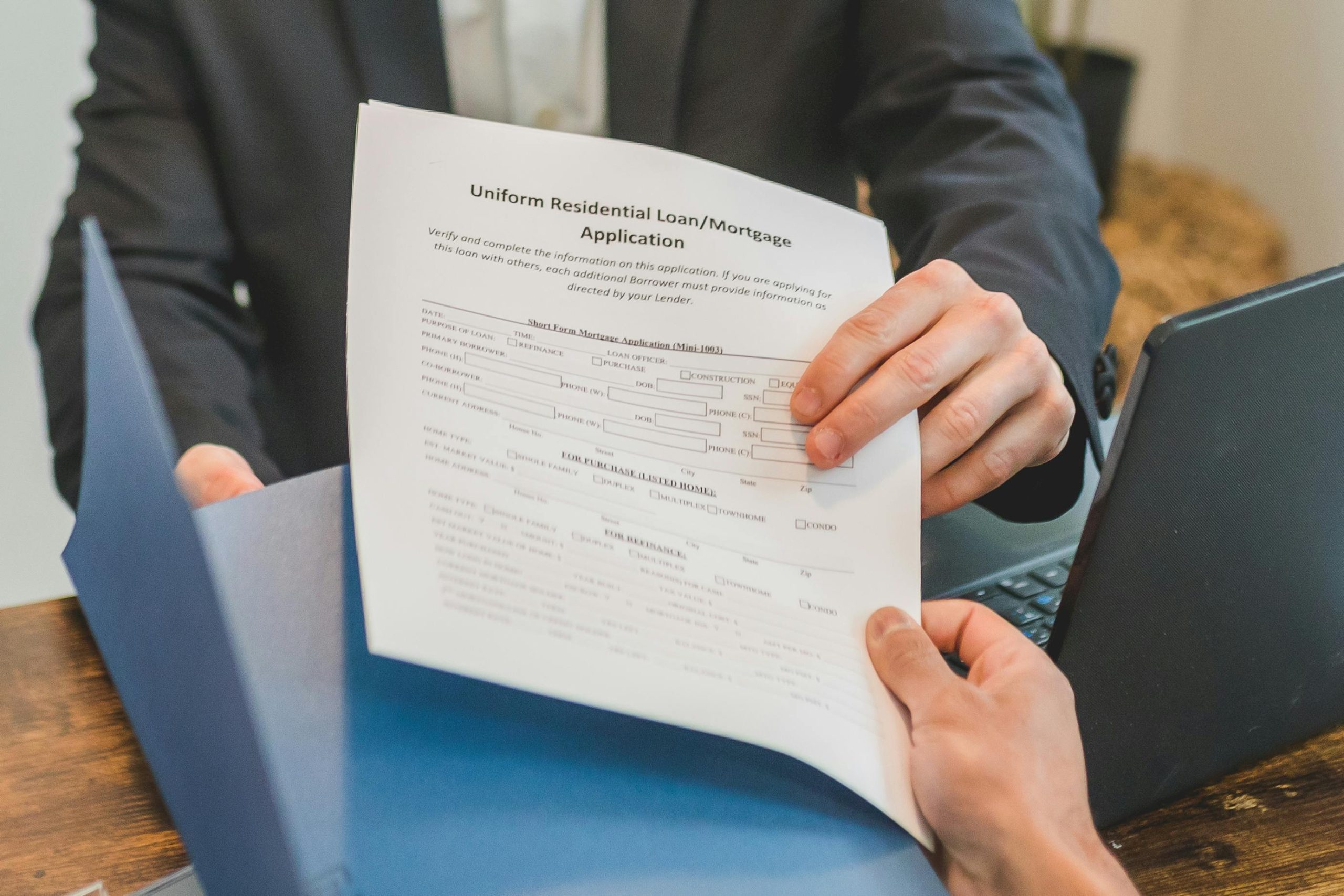
Understanding Mortgages and Financing When Buying a Home
Buying a home is one of the largest financial commitments most people will ever make. For many, the only way to achieve homeownership is through financing. A mortgage allows you to spread the cost of your home over time while building equity and investing in your future. If you are beginning your journey, here is what you need to know about mortgages, loan types, down payments, and ways to make homeownership more affordable.
What Is a Mortgage and How Do You Get One
A mortgage is simply a loan from a bank or lender that lets you buy a home and pay it back over time with interest. While there are many different mortgage structures, the 30-year fixed-rate mortgage is the most popular. The loan options you qualify for will depend on factors like your income, debt, credit score, employment history, and how much money you can put down upfront.
It is important to know that there are special programs available for certain buyers, including first-time homebuyers and veterans, that may make the process more affordable.
Types of Mortgages
The two most common loan options are fixed-rate mortgages and adjustable-rate mortgages (ARMs).
- Fixed-rate mortgage: Your interest rate and monthly payment remain the same for the life of the loan, typically 15 or 30 years.
- Adjustable-rate mortgage (ARM): Starts with a lower interest rate compared to a fixed loan but can adjust up or down after a set period, usually five or ten years, depending on the market.
Choosing the right mortgage depends on how long you plan to stay in the home and your tolerance for changes in monthly payments.
Down Payments and Assistance
A down payment is the portion of the purchase price you pay upfront. The more you put down, the lower your monthly payment will be. Traditionally, lenders expected 20% down, but many loans today allow much less. FHA loans, for example, may require as little as 3.5% depending on your credit. Some conventional loans allow for as little as 3% down payment.
For buyers struggling to save, many local governments and nonprofit organizations offer grants or assistance programs. These can make a big difference for first-time buyers trying to enter the market.
Conventional vs Federal Loans
Conventional loans are financed by private lenders such as banks and mortgage companies. They often require stronger credit and larger down payments but can provide competitive rates.
Federal loans are government-backed, which reduces the risk for lenders and opens doors for borrowers who might not otherwise qualify. Examples include:
- FHA loans: Designed for first-time buyers with flexible requirements and lower down payment options.
- VA loans: Available to veterans and service members, offering no down payment and no mortgage insurance.
- USDA loans: Tailored to rural buyers, with zero down payment and favorable interest rates.
Reducing Out-of-Pocket Costs
Beyond loan programs, there are strategies to reduce upfront costs. Sellers may agree to cover certain closing expenses, known as concessions, and in some cases you can ask them to pay for your agent’s compensation as part of the purchase offer. These steps can help you stretch your budget, although some limitations apply.
Practical Tips Before You Apply
- Review your credit and address any issues before applying for a loan.
- Create a budget and know how much you can afford monthly, including taxes and insurance.
- Speak with multiple lenders to compare loan options, rates, and fees.
- Explore whether you qualify for down payment assistance or government-backed loan programs.
- Work with a REALTOR® who can help you navigate your financing options and connect you with trusted mortgage professionals.
Read: How to Take Advantage of the Year’s Lowest Mortgage Rate
Final Thoughts
Buying a home is more than just finding the right property. Understanding your financing options is just as critical. From choosing the right type of loan to planning your down payment and exploring assistance programs, being informed will help you make a smart, confident decision.
If you are thinking about buying a home and want to better understand your financing choices, reach out to me. I can answer your questions and connect you with a trusted mortgage professional who can guide you through the process.