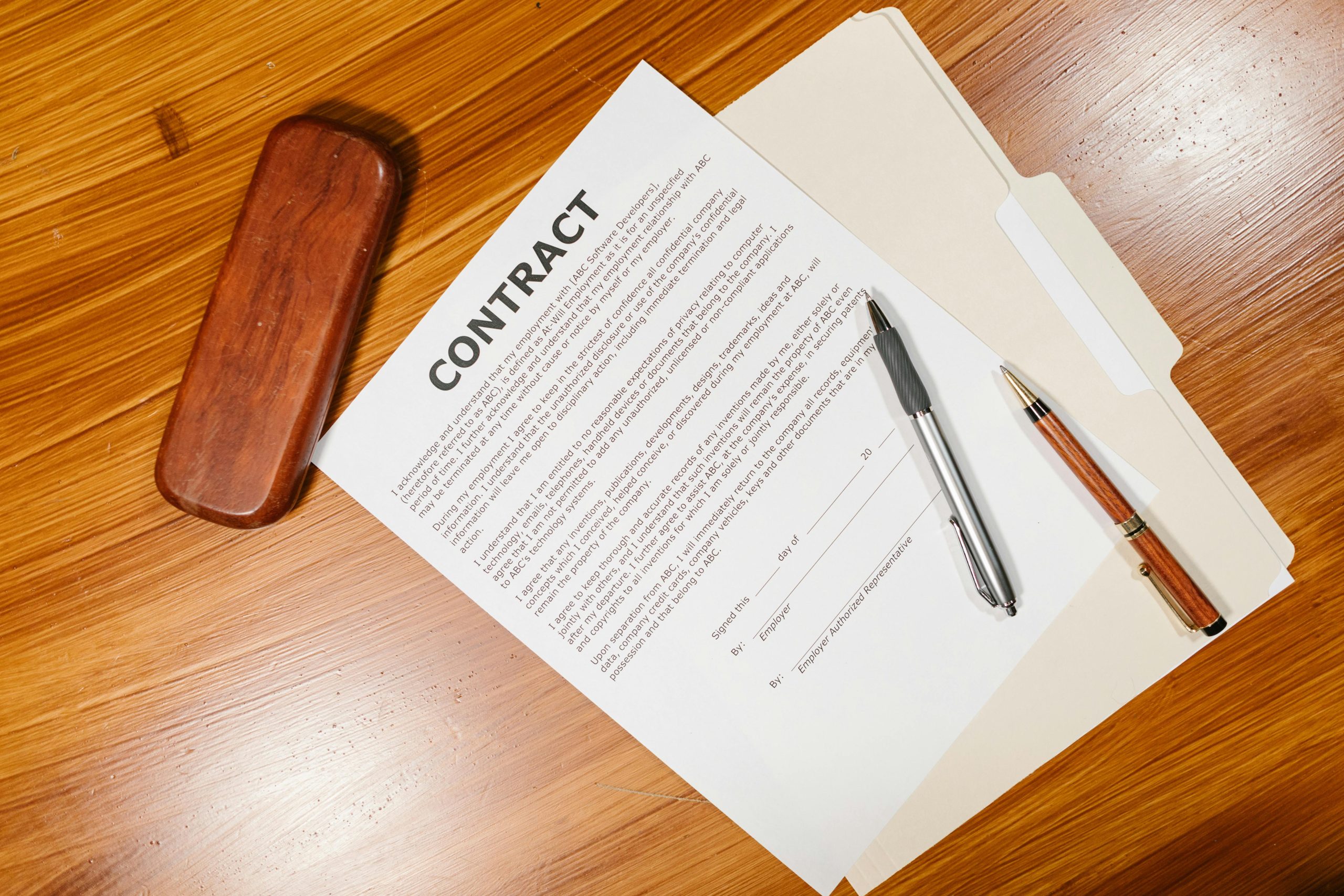
Understanding Written Buyer Agreements
A written buyer agreement is a formal contract that outlines the working relationship between a prospective homebuyer and their real estate agent or brokerage. These buyer agreements establish clear expectations on what services the agent will provide, how the buyer and agent will communicate, the length of the agreement, and how the agent will be compensated.
This agreement is not just a formality. It creates a professional commitment and helps protect both parties. It ensures the buyer has a dedicated advocate throughout the home search process and that the agent is fairly compensated for their time and expertise.
Why Written Agreements Are Becoming the Norm
The real estate industry is evolving toward greater transparency and professionalism, and written buyer agreements play a key role in that shift. All brokerages now require these buyer agreements before an agent begins working with a new client. Buyers can think of them as a tool for ensuring service quality and accountability.
Without an agreement, misunderstandings can easily arise. A written contract reduces uncertainty. It outlines which agent is representing the buyer and prevents conflicts if multiple agents are involved in the same transaction. It also eliminates assumptions about who is responsible for what and when.
What Is Typically Included in a Buyer Agreement
A written buyer agreement will include several key elements, all of which are negotiable. Understanding these terms before signing is crucial.
Term length: Most agreements include a specific duration, which can range from a few weeks to several months. Be sure you are comfortable with the time frame.
Geographic scope: The agreement may define the specific locations or neighborhoods where the agent will assist you. If your search changes over time, you may need to revisit this section.
Exclusivity: Some agreements are exclusive, meaning you are committing to working only with that agent during the contract period. Others are non-exclusive and allow more flexibility.
Duties and services: This section spells out exactly what your agent will do for you. Common services include identifying homes, coordinating showings, helping you prepare offers, negotiating terms, and guiding you through closing.
Compensation: While the seller typically pays the commission for both their listing agent and your buyer’s agent, the agreement may outline scenarios where you could be responsible for fees. For example, if the seller does not offer enough to cover the full commission, you may need to make up the difference. Make sure this is clearly explained before you sign.
How to Approach Negotiation
You are not expected to accept every term in the agreement as-is. Buyers have the right to negotiate before signing. If you are concerned about exclusivity, contract duration, or compensation, bring it up. Many agents are open to reasonable adjustments.
If you are unsure about certain terms or feel pressured, take a pause and ask for clarification. A reputable agent will be happy to answer questions and explain everything in plain language. You can also ask for a shorter initial term and extend the agreement later if the relationship works well.
You are entering a business relationship, and just like any contract, the agreement should reflect mutual trust and respect. Never feel afraid to advocate for yourself.
When to Use a Written Buyer Agreement
The best time to sign a written buyer agreement is early in the home search process, ideally before attending private showings or making an offer. Doing so ensures your agent can represent you fully and speak on your behalf. It also gives both sides confidence in the relationship moving forward.
Some agents may provide the agreement after an initial consultation. That first conversation is a great time to ask questions and make sure the agent is the right fit for your needs and communication style.
Why This Matters in Today’s Market
With more competition and limited inventory in many markets, having a dedicated agent who understands your goals is more important than ever. A written buyer agreement formalizes that relationship and gives you priority access to your agent’s time, knowledge, and strategic guidance.
It also helps you avoid misunderstandings and ensures that you are being fully represented in negotiations, inspections, and throughout the closing process. Think of it as a foundational document that protects your interests and helps your agent do their best work.
Final Thoughts
A written buyer agreement is a sign of professionalism, not pressure. It is your opportunity to define how you want to work with your real estate agent and to protect yourself as you make one of the most important purchases of your life.
If you are planning to buy a home and want guidance through the process, I would be happy to connect you with a trusted real estate agent in your area. They can explain each part of the agreement, answer your questions, and help you move forward with clarity and confidence.